
What Happens During an Appliance Repair Service Call?
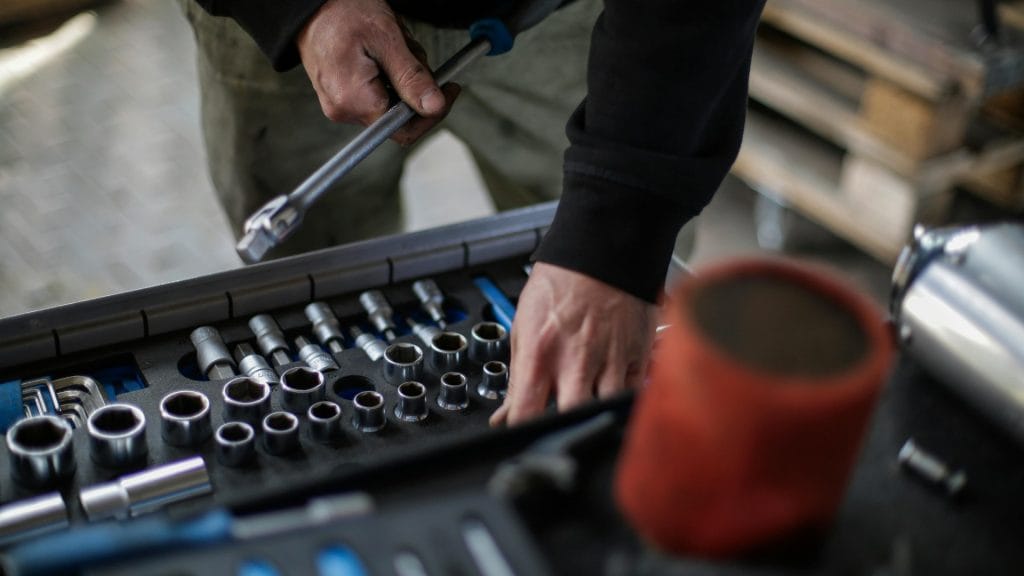
If you’ve never had a technician come to your home before, searching for appliance service near me can feel like a leap of faith. What exactly are you paying for? How long will someone be in your home? Will they have the part on hand, or will you be waiting weeks? These are fair questions, and the uncertainty is one of the main reasons people put off repairs until a minor issue becomes a major one. This post walks through exactly what happens during a professional appliance service call — from the moment a technician arrives at your door to the moment the repair is confirmed complete.
Step One: The Initial Assessment and Appliance Service Near Me Diagnosis
The first thing a qualified technician does when they arrive is ask questions before touching anything. How long has the issue been happening? Is it intermittent or consistent? What did the appliance do — or stop doing — right before the problem started? This conversation matters more than most homeowners expect. A Samsung refrigerator throwing an FF error code could point to a fan motor failure, a defrost sensor issue, or a wiring harness problem — and the symptom alone doesn’t tell the whole story.
After the conversation, the technician conducts a hands-on inspection. This typically involves checking voltage at key components, inspecting door seals and gaskets, testing heating elements or motors with a multimeter, and examining control boards for burn marks, swollen capacitors, or damaged relay contacts. On machines like a Miele W1 series washer or a Bosch 800 Series dishwasher, technicians also pull error code histories from the onboard diagnostics — these logs reveal fault patterns that a single symptom never would.
An honest diagnostic phase ends with a clear explanation — not technical jargon — of what’s wrong, what caused it, and what the repair involves. If you’re in Ottawa and working with a local appliance repair technician, that conversation should happen before any work begins and before you’re asked to approve anything.
Common Failure Patterns Technicians Look for Immediately
Experienced technicians build up pattern recognition across hundreds of service calls. Certain appliances have well-documented failure points that experienced technicians check first — not because they’re cutting corners, but because the data points there. A few examples:
- LG front-load washers (especially WT and WM series): door boot seal tears and drain pump filter clogs are extremely common in Ottawa homes where hard water accelerates wear.
- Whirlpool and Maytag top-load washers with direct-drive motors: lid switch failures and motor coupling breaks account for the majority of “won’t spin” calls.
- Sub-Zero refrigerators (600 and 700 series): evaporator fan motor failures and condenser coil buildup are the leading causes of temperature drift — often before the unit throws a visible fault code.
- GE and GE Monogram ranges: igniter resistance drift on gas models causes slow or failed ignition; on electric models, bake element failures show up as uneven cooking long before the element visibly burns out.
- Samsung refrigerators with French door configurations: ice maker assembly failures and freezer-to-fridge evaporator defrost issues are chronic in certain model years, particularly 2017–2021 builds.
- Thermador and Dacor ovens: control board failures and temperature sensor drift are common after five to eight years of use, particularly in homes where the oven runs at high heat frequently.
Knowing these patterns means a technician can work efficiently without missing an underlying cause that would bring the appliance back down weeks later.
Parts, Labor, and What “Stocked on the Van” Actually Means
One of the most common frustrations in appliance repair is being told a part needs to be ordered — and then waiting. A well-prepared technician stocks high-frequency components on their vehicle: common igniter types, drain pump motors, heating elements for popular ranges, water inlet valves, door latch assemblies, and control board relays for frequently serviced brands. This isn’t every part for every appliance, but it covers a meaningful percentage of calls, particularly for mainstream brands like Whirlpool, LG, GE, and Maytag.
For premium appliances — Fisher & Paykel, Wolf, Miele, or Bosch — parts are often brand-specific and sometimes sourced through authorized distributor channels. In those cases, a technician who is upfront about lead times and sources parts directly from authorized suppliers is protecting both the repair quality and the appliance’s long-term reliability. Aftermarket components for premium brands frequently underperform and can void remaining manufacturer warranties.
Labor charges typically cover the diagnostic time and the installation work separately. A reputable technician explains this structure clearly so there are no surprises on the final invoice.
What Happens After the Repair: Verification and Warranty
A service call isn’t complete when the last screw goes back in. Proper repair verification means running the appliance through a full functional cycle — watching a washer complete a spin sequence, monitoring a refrigerator’s temperature recovery after a door seal replacement, or confirming that a dishwasher’s wash and drain cycles complete without fault codes. This step catches secondary issues and confirms the root cause was correctly identified.
All repairs should carry a warranty on both parts and labor. If the same fault returns within the warranty period, the return visit and any covered parts should cost you nothing. This is a baseline standard, not a premium service — and it’s what separates a confident, accountable technician from someone who will be unreachable after the invoice is paid.
If you’re located in the Ottawa area and want to understand the service process before booking, you can reach out directly with questions about a specific appliance or situation.
Frequently Asked Questions
How long does a typical appliance service call take?
Most service calls take between 45 minutes and two hours, depending on the appliance, the complexity of the fault, and whether a part needs to be installed. Straightforward repairs — a failed heating element, a clogged drain pump, a burned igniter — often take under an hour from diagnosis to completion. More complex issues involving control boards or sealed systems on refrigerators may require longer access time or a follow-up visit if a part isn’t on hand.
Do I need to do anything to prepare before the technician arrives?
For most appliances, clear access is the main thing. Pull the appliance slightly away from the wall if possible, especially for dryers, ranges, and refrigerators. For dishwashers and washing machines, make sure the area around the unit is dry and there’s nothing stored underneath or directly beside it. Having your appliance model number ready (usually found on a label inside the door frame or on the back panel) can also help the technician arrive better prepared for your specific unit.
What if the repair cost is close to what a new appliance would cost?
This is a legitimate concern, and an honest technician will tell you when repair doesn’t make financial sense. As a general guideline, if the repair cost exceeds 50–60% of the current replacement value and the appliance is past its typical service life (10–12 years for most major appliances, longer for premium brands like Sub-Zero or Miele), replacement may be the better decision. That said, premium appliances are often worth repairing further into their lifespan because the replacement cost is substantially higher and the build quality supports longer service.