
GE Profile Refrigerator Problems: Ice Maker, Cooling & More
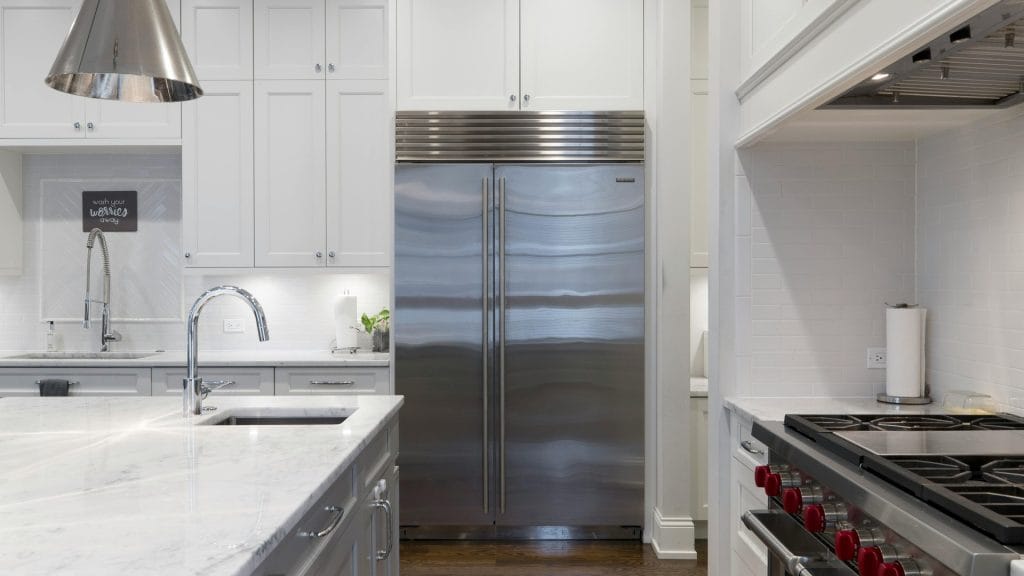
GE Profile refrigerators are a popular choice in Ottawa homes — they offer a strong mix of features, capacity, and price point that sits comfortably between standard GE models and the premium GE Monogram line. But like any sophisticated appliance, they develop specific, recurring problems that owners should know about. If you’re searching for reliable GE fridge repair in Ottawa, understanding what’s actually failing — and why — helps you make smarter decisions before a technician even walks through the door.
Common GE Profile Refrigerator Problems We See in Ottawa
GE Profile refrigerators span several generations of design, from the older side-by-side PSHS6PGZSS and PSS28KSHSS models to the newer French door units like the PFE28KYNFS and PYE22KYNFS. Across those generations, a handful of failure patterns show up repeatedly:
- Ice maker failure or low ice production — by far the most common complaint
- Inadequate cooling in the fresh food compartment while the freezer stays cold
- Frost buildup on the evaporator coils, restricting airflow
- Noisy operation — often a failing evaporator fan motor or condenser fan
- Water pooling inside the refrigerator or leaking onto the floor
- Control board errors displayed on the panel, including fault codes like E1, E2, or temperature sensor alerts
Understanding which of these applies to your unit matters because the repair approach — and cost — varies significantly. A frozen evaporator requiring a defrost cycle reset is a very different job than a failed main control board.
GE Profile Ice Maker Problems: What’s Actually Going Wrong
The ice maker complaint is almost universal with GE Profile French door models. The issue typically traces back to one of three root causes. First, the ice maker module itself can fail — the motor, thermostat, or harvest cycle components wear out over time. Second, and more commonly in Ottawa’s climate, the fill tube that supplies water to the ice maker freezes solid. This happens when the freezer door is opened frequently or when the door gasket loses its seal, allowing warm humid air in. Third, the water inlet valve — a solenoid-controlled valve that allows water from your home supply into the ice maker — can partially fail, reducing water flow below the threshold needed to form proper cubes.
On newer Profile models with the in-door ice system (found on units like the PYD22KYNFS), there’s an additional failure point: the auger motor and ice bucket assembly inside the door itself. These see significant mechanical stress and can seize up, causing the dispenser to stop working even when ice is present. Diagnosing this correctly requires actually removing the door assembly — something worth leaving to a technician familiar with the Profile line.
GE Fridge Repair Ottawa: Cooling and Defrost System Failures
When a GE Profile refrigerator runs warm in the fresh food section but the freezer seems fine, the culprit is almost always a defrost system failure. The defrost heater, defrost thermostat, or defrost control board (or timer on older models) fails to initiate the defrost cycle. Ice builds up on the evaporator coils until airflow is completely blocked — the freezer still feels cold because it’s in direct contact with the coils, but conditioned air never reaches the refrigerator compartment above.
GE Profile units also use a thermistor (temperature sensor) system to monitor compartment temperatures and regulate compressor run time. When a thermistor fails, the control board receives incorrect readings and may run the compressor too little — or not at all. This often triggers a fault code on the display. A proper refrigerator repair diagnosis involves testing the thermistors and the defrost components individually to isolate exactly where the system has broken down, rather than replacing parts speculatively.
Control Board and Electrical Issues on Newer Profile Models
The newer generation of GE Profile refrigerators — particularly models manufactured after 2018 — rely heavily on electronic control boards for nearly every function. The main control board (sometimes called the motherboard) handles compressor operation, defrost scheduling, fan speeds, and dispenser functions. When it fails, the symptoms can be confusing: the refrigerator might cool intermittently, the display might go blank, or certain features like the water dispenser stop responding while others work normally.
In Ottawa homes that experience power fluctuations — more common in older neighbourhoods like Hintonburg, Vanier, or areas with aging infrastructure — these boards can be damaged by voltage spikes. A surge protector rated for refrigerators is a reasonable investment. When a board does fail, it’s important to confirm the board is the actual failure point before purchasing a replacement, as genuine GE Profile control boards are not inexpensive.
Water Leaks and Drain Line Blockages
Water pooling at the bottom of the refrigerator or on the kitchen floor is another frequent GE Profile complaint. The most common cause is a blocked defrost drain. During normal operation, water from the defrost cycle drains through a small channel into a drain pan beneath the refrigerator where it evaporates. When that drain clogs — often with food debris, ice, or biological growth — water backs up and finds its way into the fresh food compartment or onto the floor.
The fix involves clearing the drain and flushing it, but the important follow-up step is checking why the drain froze or clogged in the first place — often because the defrost system isn’t functioning correctly, which brings the diagnosis back to the heater, thermostat, or control board.
Frequently Asked Questions
How long should a GE Profile refrigerator last?
A well-maintained GE Profile refrigerator typically lasts 14 to 17 years. Models from the mid-2000s through early 2010s tend to be more mechanically straightforward and often outlast their newer counterparts. Newer French door models with in-door ice systems and complex electronics may require more maintenance over their lifespan, but repair is still almost always more cost-effective than replacement until the unit is past the 10-year mark.
Is it worth repairing a GE Profile refrigerator, or should I replace it?
For most repairs — ice maker replacement, defrost component replacement, fan motor replacement — the answer is yes, repair is worth it. These jobs typically cost a fraction of a new refrigerator. The calculation changes if the compressor has failed on an older unit, or if multiple major components need replacement simultaneously. A honest diagnostic assessment should give you a clear repair cost before any work begins, so you can make that comparison directly.
What does the E1 or E2 error code mean on a GE Profile refrigerator?
On most GE Profile models, an E1 error indicates a problem with the freezer temperature sensor (thermistor), while E2 points to the fresh food compartment sensor. These codes don’t necessarily mean the sensor itself has failed — wiring connection issues or a failing control board can trigger the same codes. Clearing the error and monitoring for recurrence, combined with thermistor resistance testing, is the correct diagnostic approach rather than immediately replacing the sensor.