
How to Clean Your Washing Machine (And Why It Matters)
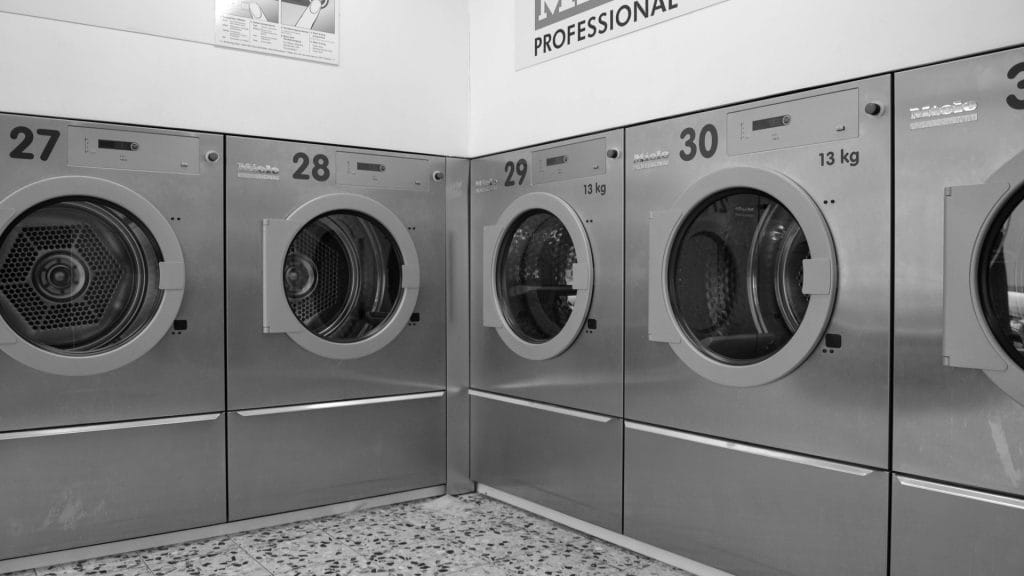
Most Ottawa homeowners think about their washing machine only when something goes wrong — a strange smell, a leak, or that dreaded error code flashing on the display. But regular cleaning is one of the most effective ways to prevent those problems in the first place. Whether you’re running a Whirlpool top-loader in Barrhaven or a Miele front-loader in Westboro, the same principle applies: a clean washing machine works harder, lasts longer, and is less likely to need washing machine repair in Ottawa. This guide walks you through exactly how to do it properly, with real detail — not just “run a hot cycle and hope for the best.”
Why Washing Machines Get Dirty (And What That Costs You)
It seems counterintuitive. A machine that runs water and detergent constantly shouldn’t need cleaning, right? Unfortunately, the opposite is true. Over time, residue from laundry detergent, fabric softener, body oils, and hard water minerals accumulates inside the drum, door gasket, detergent drawer, and drain pump filter. Ottawa’s water supply, while treated, still contains enough mineral content to contribute to scale buildup inside hoses and heating elements over a few years of use.
That buildup creates two specific problems. First, it becomes a breeding ground for mold and bacteria — which is why front-loaders, particularly Samsung models in the WF45 and WF50 series and LG’s WM3 and WM4 lines, are notorious for developing mildew odours in the door gasket. Second, detergent residue left in the drum can interfere with sensor-based wash cycles. Machines like the Bosch 500 and 800 Series use load-sensing technology to adjust water levels; contaminated sensors can throw off cycle performance and sometimes trigger false error codes.
How to Deep Clean Your Washing Machine: Step-by-Step
Front-Loading Machines
Front-loaders require more attention because of the rubber door gasket — that thick seal around the opening that traps moisture, lint, and residue. Pull back the gasket folds and wipe thoroughly with a cloth dampened in a solution of equal parts white vinegar and warm water. If there’s visible mold (common in machines that are kept in humid laundry rooms or closed spaces), use a diluted bleach solution — one tablespoon per cup of water — and let it sit for five minutes before wiping.
Next, remove the detergent drawer completely. Most Bosch, Miele, and LG front-loaders have a release tab on the left or right side of the drawer. Rinse it under hot running water and use an old toothbrush to clean the compartment housing. Mold frequently grows here, particularly in the softener compartment where diluted fabric softener pools and sits.
For the drum itself, run a cleaning cycle using either a commercial washer cleaner (Affresh tablets are widely available and work well) or two cups of white vinegar added directly to the drum — not the detergent drawer — followed by a hot water cycle. Many front-loaders from Bosch, Samsung, and LG have a dedicated “Drum Clean” or “Tub Clean” cycle; use it. Finally, locate and clean the drain pump filter. On most front-loaders it’s behind a small access panel at the bottom front of the machine. Have a shallow dish ready — some water will drain out. Twist the filter counterclockwise to remove it, clear any lint or debris, rinse it, and reinstall.
Top-Loading Machines
Agitator-style and high-efficiency top-loaders (like the Maytag MVWC and Whirlpool WTW series) accumulate residue differently. Start by running the largest, hottest cycle available and add four cups of white vinegar directly into the tub as it fills. Pause the cycle after it agitates briefly and let the solution soak for an hour. Then let the cycle complete. Run a second cycle with one cup of baking soda to neutralize and deodorize.
While the machine soaks, use the vinegar solution to wipe down the top of the agitator, the lid, the interior rim, and any dispensers. On Samsung top-loaders with the Active Wash built-in sink feature, clean that basin separately — it traps more debris than most people expect.
How Often Should You Clean Your Washing Machine in Ottawa
A general rule: run a drum cleaning cycle once a month if you do four or more loads per week, or every six to eight weeks for lighter use. The door gasket on front-loaders should be wiped down after every wash — it takes thirty seconds and prevents most odour problems entirely. Leave the door slightly ajar after each cycle to allow the drum to dry; this single habit dramatically reduces mold growth.
Residents in Ottawa’s older neighbourhoods — Hintonburg, Vanier, Old Ottawa South — often have homes with less ventilation in basement laundry areas, which accelerates moisture problems. If your laundry room runs humid, a small dehumidifier near the machine is worth considering.
When Cleaning Isn’t Enough: Signs You Need Washing Machine Repair in Ottawa
There’s a clear line between a machine that needs cleaning and one that has a mechanical or electrical fault. If you’re seeing error codes like LG’s LE (motor fault), Samsung’s DC (unbalanced load detection failing), or Whirlpool’s F7E1 (motor speed sensor), those aren’t cleaning issues. Similarly, if your machine vibrates excessively, fails to drain, stops mid-cycle, or leaks from the bottom even after you’ve cleared the filter, there’s an underlying problem that cleaning won’t resolve.
Miele machines in particular — the W1 series and WCI and WCR lines — are exceptionally well-built but use proprietary electronics that require specific diagnostics. A persistent F53 or F138 fault on a Miele isn’t something a vinegar rinse will fix. For Ottawa residents dealing with those kinds of issues, having a technician who understands the brand matters. Appliance repair in Ottawa that covers both mainstream and premium brands means you’re not stuck searching for someone who’s actually seen your machine’s fault history before.
Frequently Asked Questions
Can I use bleach and vinegar together to clean my washing machine?
No — and this matters. Bleach and vinegar mixed together produce chlorine gas, which is harmful. Use them separately and run a rinse cycle between them if you plan to use both. In most cases, vinegar alone is sufficient for routine cleaning; bleach is only warranted for significant mold contamination.
My front-loader smells even after I’ve cleaned it. What’s causing that?
If the smell persists after thorough gasket and drum cleaning, the most likely culprits are a partially blocked drain pump filter, residue buildup in the detergent housing, or — less commonly — mold growing in the internal drum bearings or bellow folds that aren’t reachable through surface cleaning. Persistent odours after multiple cleaning attempts often indicate a more thorough internal inspection is needed.
Does the brand of detergent affect how quickly my machine gets dirty?
Yes, significantly. High-efficiency machines — virtually all front-loaders and most modern top-loaders — require HE-designated detergent. Using regular detergent produces excess suds that don’t fully rinse out, leaving heavy residue on the drum, sensors, and pump. Over time, this accelerates buildup and is a common cause of odour problems and sensor errors on LG, Samsung, and Bosch platforms specifically. Less detergent than the label recommends is almost always the right amount.