
Samsung Dryer Not Heating? Causes and Fixes for Ottawa Homeowners
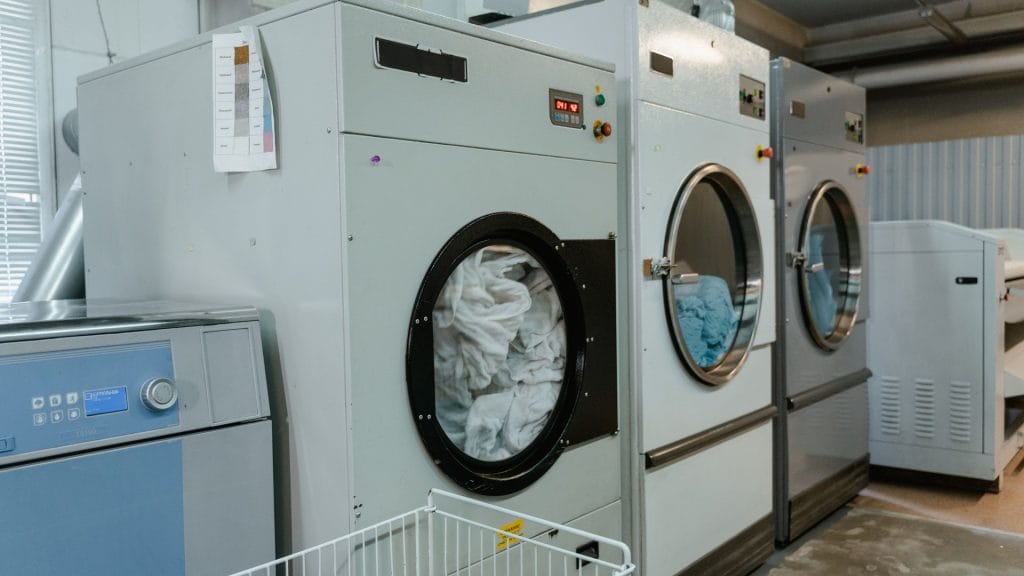
A Samsung dryer that runs but produces no heat is one of the most frustrating appliance problems Ottawa homeowners encounter — especially during the colder months when laundry piles up fast. Whether you have a front-load electric dryer from the DV series, a gas model, or one of Samsung’s newer smart dryers with Wi-Fi connectivity, a no-heat fault almost always has a diagnosable root cause. This guide walks through the most common reasons a Samsung dryer stops heating, what the error codes mean, and what a qualified technician looks for during a proper dryer repair diagnosis.
Why Samsung Dryers Stop Heating: The Most Common Causes
Samsung dryers — including popular models like the DV45R6100, DV50K8600, and the Bespoke series — rely on a chain of safety and operational components that must all function correctly for heat to generate. When any link in that chain breaks, the dryer will tumble without producing warmth. Here are the most frequently diagnosed culprits:
- Blown thermal fuse: This is the single most common cause. The thermal fuse is a one-time safety device located on the exhaust duct inside the dryer. Once it trips — usually due to restricted airflow — it cannot reset. The dryer will run normally but produce zero heat.
- Clogged or kinked exhaust duct: Many Ottawa homes, particularly older properties in neighbourhoods like Hintonburg, Westboro, and Centretown, have dryer vents that run long horizontal distances or through tight wall cavities. Lint accumulation or a crushed flexible duct restricts airflow, causes overheating, and triggers the thermal fuse.
- Failed heating element (electric models): On electric Samsung dryers, the heating element coil can burn out partially or completely. A partial break is tricky — the dryer may heat intermittently or weakly rather than not at all.
- Defective high-limit thermostat: Separate from the thermal fuse, this thermostat regulates the heating chamber temperature. When it fails closed or open, it either prevents heat entirely or allows dangerous overheating.
- Gas valve solenoid failure (gas models): Samsung gas dryers use dual solenoid coils to open the gas valve. When one coil fails, the igniter may glow but the flame won’t ignite — or it ignites briefly then cuts out within the first minute of the cycle.
- Control board fault: Less common but worth noting on newer Wi-Fi-enabled models — a failed relay on the main control board can interrupt the signal to the heating circuit entirely.
Samsung Dryer Error Codes Related to Heating Problems
Samsung dryers with digital displays will often show fault codes that point directly to the heating system. Understanding these codes helps narrow the diagnosis before a panel is ever removed:
- HE or HE1: Heating error — the dryer has detected insufficient heat during the cycle. On electric models, this typically indicates a failed heating element or thermal fuse. On gas models, suspect the igniter or gas valve solenoids.
- HC or HC1: High heat error — the opposite problem. The dryer is detecting excessive heat, which usually points to a failed high-limit thermostat or blocked exhaust. This code is often followed shortly after by a blown thermal fuse if the underlying cause isn’t addressed.
- FE: Frequency error — occasionally misread as a heating issue. This is actually a power supply problem, typically indicating the dryer is receiving only 120V rather than the full 240V it requires. In Ottawa homes with older electrical panels or backstab wiring, this is more common than people expect.
- tE, tE1, tE2, tE3: Thermistor errors — these indicate a failed temperature sensor, which can cause erratic heating behaviour or a no-heat condition when the board loses confidence in temperature readings.
It’s worth noting that some Samsung dryer models in the DV7750 and Bespoke lines store fault history in a service menu accessible through a specific button sequence. A technician reviewing that history can identify recurring faults that a single diagnostic check might miss.
Samsung Dryer Repair Ottawa: What a Proper Diagnosis Involves
A thorough diagnosis of a Samsung no-heat problem involves more than replacing the most obvious part. At Direct Fix Appliance Repair in Ottawa, the process starts with a full electrical check before any components are condemned. Continuity testing of the thermal fuse, heating element, thermostats, and thermistors gives accurate readings rather than educated guesses. On gas models, observing the igniter glow cycle and testing solenoid coil resistance confirms whether the gas valve circuit is truly at fault.
Equally important is inspecting and measuring the exhaust duct. Replacing a blown thermal fuse without clearing a blocked vent simply means the new fuse will blow again — sometimes within a single cycle. The duct should be checked from the dryer connection point all the way to the exterior wall cap, including any elbows or transitions through cabinetry.
DIY Considerations and When to Stop
Cleaning the lint trap and the accessible section of the exhaust duct is well within the scope of any homeowner. Beyond that, Samsung dryer repairs require disassembly that varies significantly by model — some require removing the front panel and drum, others access through the rear. Working around high-voltage components on electric models, or gas lines and ignition systems on gas models, carries real risk without proper training and testing equipment. If the error code points to a control board or thermistor, resist the temptation to order parts based on forum posts alone — Samsung’s thermistor resistance specifications are model-specific and a mismatch will cause the same fault to persist.
Frequently Asked Questions
Can I reset a Samsung dryer thermal fuse to restore heating?
No. The thermal fuse in Samsung dryers is a non-resettable component. Once it has blown, it must be physically replaced. Attempting to bypass it is dangerous and will void any warranty on the repair. The underlying cause — almost always a venting restriction — must also be corrected, otherwise the replacement fuse will fail in short order.
My Samsung dryer heats on some cycles but not others — what causes intermittent heat?
Intermittent heating is most often caused by a partially broken heating element coil, a borderline high-limit thermostat that trips under load and resets when cool, or a thermistor giving inconsistent readings. On gas models, a weak igniter that hasn’t fully failed yet can cause the same pattern — it glows but doesn’t reach the temperature needed to open the gas valve reliably. Intermittent faults are actually harder to diagnose than a complete no-heat condition because the fault may not be present at the time of testing.
Is it worth repairing an older Samsung dryer, or should I replace it?
For most Samsung dryer heating repairs — thermal fuse, heating element, thermostats, or gas valve solenoids — the parts cost is modest and the repair typically restores full function. The general guideline is that a repair costing less than half the replacement value of a comparable new unit is worthwhile, particularly if the rest of the machine is in good condition. Samsung dryers from the DV series built in the last eight to ten years generally have good parts availability, which keeps repair costs reasonable.