
Ottawa Appliance Repair Warranty: What’s Covered & For How Long
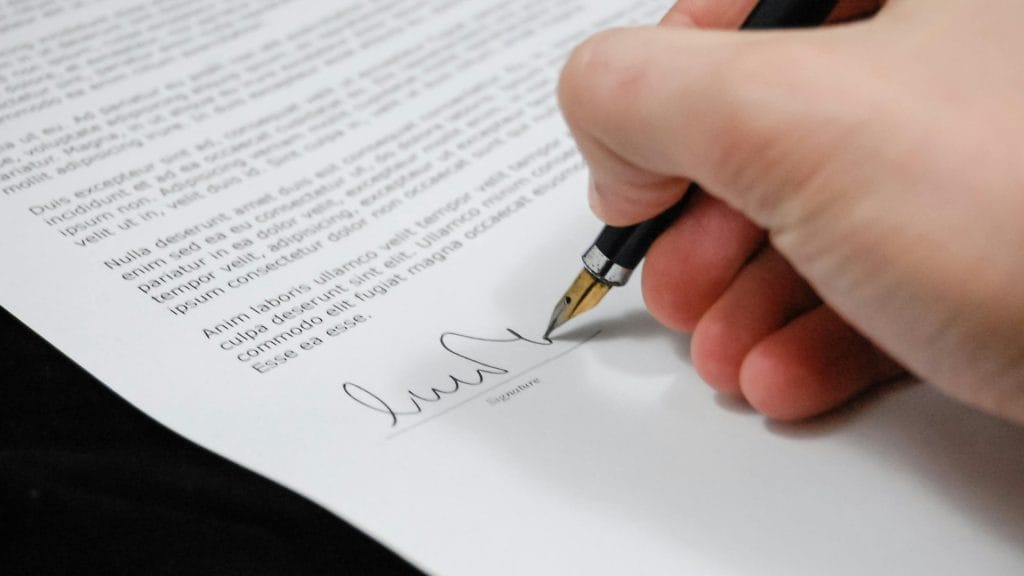
When something breaks in your home, the last thing you want is to wonder whether the fix will last. One of the most common questions I hear from homeowners across Ottawa — from Kanata to the Glebe — is what exactly a repair warranty covers and whether it’s worth anything in practice. If you’re searching for reliable appliance repair Ottawa service, understanding the warranty behind the work is just as important as the repair itself. This post breaks down exactly what a meaningful repair warranty looks like, what it should cover, and what questions to ask before any technician touches your appliance.
What a Repair Warranty Actually Covers for Ottawa Appliance Repair
A repair warranty has two distinct components, and confusing them leads to most of the frustration homeowners experience after a service visit.
Parts warranty covers the physical component that was replaced — a new control board in a Bosch dishwasher, a replacement compressor in a Sub-Zero refrigerator, or a new door latch assembly on a Whirlpool front-load washer. Parts warranties are typically backed by the parts supplier or manufacturer and generally run 90 days to one year depending on the component category. Premium OEM parts for brands like Miele or Thermador often carry longer coverage because the manufacturer stands behind their supply chain.
Labour warranty covers the technician’s work — the diagnosis, the installation, and the calibration. This is where a solo technician who takes pride in their work separates from high-volume dispatch services. A labour warranty means that if the same fault returns because of how the repair was performed, the technician comes back and corrects it without charging you again.
At Direct Fix Appliance Repair, every completed repair includes a warranty on both parts and labour. That’s not a footnote — it’s a standard expectation of professional work.
How Long Does the Warranty Last?
Warranty length varies depending on the type of repair, the brand, and the part category involved. Here’s a realistic breakdown:
- Control boards and electronic components: 90 days to 6 months is common. These components fail at predictable rates in certain model lines — LG’s inverter boards, Samsung’s main PCBs displaying error codes like 5E or LE, and Bosch’s EAP module failures are all well-documented. A good warranty accounts for early re-failure patterns.
- Motors and pumps: Typically 6 months to 1 year. Fisher & Paykel wash plate motors and Miele circulation pumps are high-quality components when sourced correctly, and the labour to install them is significant — warranty coverage here protects your investment.
- Compressors: Sub-Zero and GE Monogram compressor replacements often carry extended parts coverage directly from the OEM. Labour warranty on a compressor swap should be at least 90 days given the complexity of the repair.
- Seals, gaskets, and mechanical parts: Generally 90 days. These are wear components, but a new seal should not fail within three months of installation if it was fitted correctly.
- Diagnostic-only visits: If you receive a diagnosis and choose not to proceed with repair, there is no parts or labour warranty — but the diagnostic assessment itself stands as accurate based on the findings at the time.
What the Warranty Does Not Cover
Understanding exclusions is just as important as knowing what’s included. A repair warranty covers the specific fault that was diagnosed and repaired. It does not cover:
- New or unrelated faults that develop after the repair. If your Dacor range was repaired for a faulty igniter and the oven temperature sensor fails two months later, those are separate issues.
- Damage caused by power surges, water events, or misuse. Ottawa’s older neighbourhoods — particularly in Centretown and Sandy Hill — can see voltage instability that stresses appliance electronics. Surge protection is always a worthwhile investment.
- Normal wear on consumable components like water filters, door gaskets on high-use appliances, or dishwasher spray arm bearings in commercial-style units.
- Appliances that have been worked on by another technician after the original repair. Any subsequent unauthorized work voids warranty coverage on the original repair.
How to Make the Most of Your Appliance Repair Warranty in Ottawa
A few practical steps protect your warranty and help ensure long-term performance:
- Keep your service invoice. Your invoice documents what was repaired, which part was used, and the warranty terms. Store it with your appliance manuals.
- Note the date and the fault description. If the same symptom reappears — say, your Whirlpool washer throwing an F21 drain error again — you can clearly tie it to the original repair and contact the technician directly.
- Don’t ignore early warning signs. If your appliance is behaving strangely within the warranty period, report it promptly. Waiting can allow a secondary fault to develop that complicates the warranty claim.
- Ask about manufacturer extended warranties on major components. Some OEM parts — particularly for Thermador and Wolf — carry manufacturer-backed coverage that supplements the technician’s labour warranty.
If you have questions about a recent repair or want to understand your coverage before booking service, the contact page is the right place to start a conversation.
Frequently Asked Questions
Does the warranty transfer if I sell my home or appliance?
In most cases, repair warranties are tied to the appliance and the original service address, not the individual customer. If you sell your home and the appliance stays — as built-in Sub-Zero or Wolf units typically do — the remaining warranty coverage generally applies to whoever owns the property. It’s worth confirming this with your technician when the repair is completed so there’s no ambiguity.
What happens if the same part fails again within the warranty period?
If the identical fault returns within the warranty window, the technician should return, re-diagnose, and determine whether the failure is due to the repair itself or a different underlying cause. If the original repair is at fault, the work is corrected at no charge. If a secondary issue has caused a new failure — for example, a wiring harness fault that damaged a recently replaced control board — that would be treated as a new repair, and the technician should explain that distinction clearly before proceeding.
Are premium brand repairs like Miele or Sub-Zero covered the same way?
Yes, the warranty structure applies regardless of brand. That said, premium appliances have a practical advantage: OEM parts for Miele, Sub-Zero, and similar brands are engineered to tight tolerances and tend to perform reliably when sourced correctly. The risk of premature part failure is lower when genuine components are used rather than aftermarket alternatives. Always ask whether the parts used in your repair are OEM or third-party — that distinction matters for both performance and warranty integrity.