
Washing Machine Leaking? Causes, Costs and What to Do First
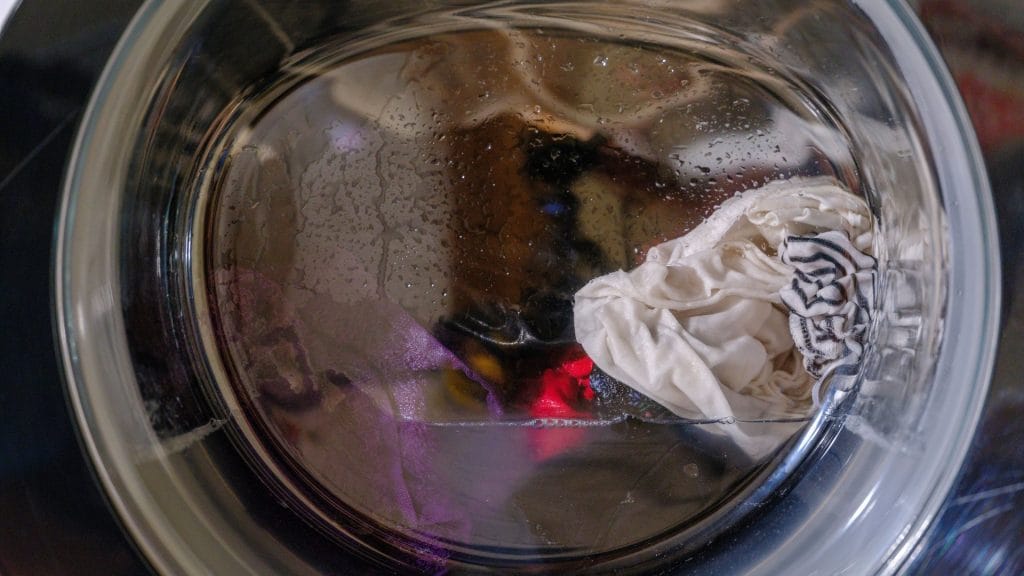
Finding water on the laundry room floor is a bad start to any day, and a washing machine leaking into a finished basement is worse. The good news is that many leaks come from a simple, cheap part, and a few minutes of careful looking usually narrows down where the water is coming from. This guide covers what to do in the first few minutes, the usual causes, what you can safely handle yourself, and what it costs when a technician has to get involved.
What to Do First When Your Washing Machine Is Leaking
Stop the damage before you look for the cause. Work through these steps in order.
- Stop the cycle. Pause or cancel the wash so the machine is not filling or draining any more water.
- Cut the power, safely. If the floor around the machine is wet, do not stand in water to reach the plug. Turn off the breaker for that circuit from a dry spot, then unplug the machine once it is safe to do so. If the water is spreading toward outlets or the panel, stay out and call an electrician.
- Shut off the water. Close the two supply valves behind the washer, hot and cold. If they are stuck or will not close, shut off the water to the house at the main valve.
- Protect the floor. Use towels, a wet vacuum or a mop to get the water up quickly. Standing water gets into subfloor, drywall and cabinets faster than you would expect.
- Note where it leaks. Does the water appear under the front, behind the machine, from the detergent drawer, or only during a specific part of the cycle? That detail tells a technician a lot.
Common Reasons for a Washing Machine Leaking
Where the water shows up, and when, points to the likely cause.
- Supply hoses and inlet valves. A loose coupling, a cracked hose or a weeping inlet valve leaks at the back of the machine, often even when the washer is idle. In an unheated basement or garage, a hose that froze and split can start leaking once it thaws.
- Door boot seal (front-loaders). The rubber gasket around the door can tear or trap detergent residue and hair, letting water seep out at the door or under the front.
- Detergent drawer overflow or too many suds. Too much detergent, or regular detergent in a machine designed for high-efficiency soap, can push suds and water out of the drawer or door.
- Drain hose and drain pump. A drain hose that has slipped, split or come loose at the standpipe leaks during the drain phase. A worn pump or its housing can leak inside the machine, and the pump can also clog, which is a common reason for a washer not draining properly.
- Overloading or an unbalanced load. A tub packed with heavy bedding can slosh water past the seal or cause the machine to shake and shift its hoses.
- Tub seal or bearing failure. A leak from the bottom of the machine, often with a grinding or rumbling noise during spin, points to worn drum bearings or a failed tub seal.
What You Can Check Yourself
These checks are safe with the machine unplugged and the water off.
- Look at both supply hoses for cracks, bulges or damp fittings. If a coupling is loose, snug it by hand with a small wrench, then check again after a wash. Replace any hose that looks worn, and consider braided hoses when you do.
- Check the drain hose where it enters the standpipe. Make sure it is seated, not kinked, and not pushed too far down.
- Wipe out the door gasket and look for tears, holes or built-up grime. My guide on how to clean your washing machine covers residue and odours.
- Use the right detergent, in the right amount, and do not stuff the drum. Try a smaller load and see if the leak repeats.
- Check that the machine is level and not touching a wall or hose.
If the leak stops after one of these fixes, run a test load while you stay nearby. If the leak comes from inside the cabinet, from the pump, the tub or below the drum, stop there. Do not open the machine while it is plugged in, and do not try to work around live wiring.
When Washer Repair in Ottawa Needs a Technician
Call for help when the leak comes from the bottom of the machine, when it returns after you have fixed the hoses and door seal, or when you hear grinding or rumbling. A leak from the base with noise on spin often means the bearings or tub seal, and that repair means taking the drum out of the machine. Drum bearings typically run about $280 to $450 in Ottawa, depending on the model and the part. A diagnostic call is typically $80 to $120 and is often applied toward the repair. Exact quotes come after diagnosis and vary by brand, model and part availability.
If you would like someone to look at it, my washing machine repair service covers the usual leaks, pumps, hoses, valves and bearings. If the washer is stacked with a dryer or sits next to one, unplug that too until the area is dry, and if the dryer got wet or is not running properly afterward, my dryer repair service can look at it separately. Error messages during a leak or drain problem can also help; see this list of Whirlpool washer error codes if you own that brand. To describe your problem or ask a question first, the contact page is the easiest place to start.
Repair or Replace a Leaking Washer?
A hose, inlet valve, door seal or drain pump repair is usually a sensible fix on a machine that is otherwise in good shape. A bearing or tub seal job is bigger, so age and condition matter. If the washer is older, the drum is rusting, or other parts are failing too, spending several hundred dollars on bearings may not make sense. If it is a newer or higher-end machine that has otherwise worked well, repair often does.
A common rule of thumb is to think twice when a repair reaches about half the price of a comparable new washer. I will explain the diagnosis so you can decide, and if the answer is “replace it”, I will tell you so.
Frequently Asked Questions
Why is my washing machine leaking from the bottom?
Water from the base can come from a loose or split hose inside the cabinet, the drain pump, the tub seal or worn bearings. If you also hear grinding during the spin cycle, the bearings or seal are likely. Unplug the machine, shut off the water and have it inspected before running it again.
Is it safe to keep using a leaking washer?
No. Even a small leak can damage floors and get water near electrical connections. Stop using it until you know the cause. Shutting off the supply valves after each load is a reasonable habit while you wait.
Can too much detergent make a washer leak?
Yes. Excess suds can push water out through the detergent drawer or around the door. Use the amount recommended for your machine and load size, and use the correct type of soap for a high-efficiency washer.
Need Washer Repair in Ottawa?
If you would rather have a professional take a look, call DirectFix Appliance Repair at (613) 725-5656 or learn about our washing machine repair service. I explain the diagnosis before any work begins, and repairs are backed by a warranty.