
Is Your Dryer Taking Longer in Summer? Here’s Why It Happens
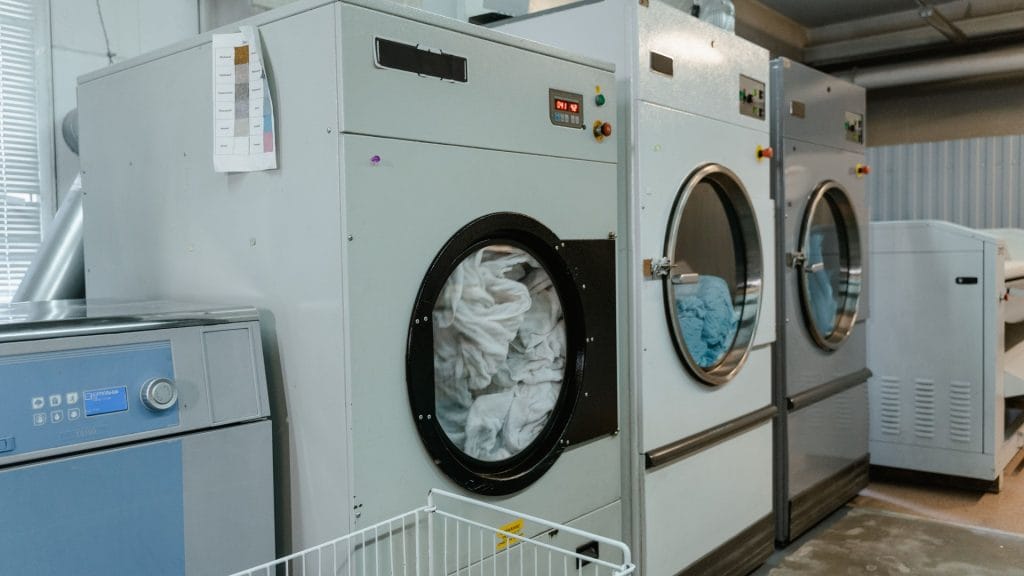
If you’ve noticed your dryer running two or three cycles just to dry a single load this summer, you’re not imagining things. It’s a surprisingly common pattern that shows up every July and August, and it accounts for a meaningful portion of dryer repair Ottawa calls during the warmer months. The frustrating part is that the machine isn’t necessarily broken — but sometimes it is, and the heat masks the real problem long enough for it to become one. Understanding what’s actually happening inside your dryer during Ottawa summers can help you tell the difference.
Why Summer Heat Affects Dryer Performance
Your dryer works by pulling in ambient air, heating it, tumbling it through wet laundry, and exhausting the moisture-laden air out through the vent. The efficiency of that process depends heavily on the temperature and humidity of the air your dryer is drawing in to begin with.
Ottawa summers regularly push into the high 20s and low 30s Celsius with humidity levels that climb alongside the temperature. When your laundry room air is already 28°C and saturated with moisture, your dryer has to work significantly harder to move water out of fabric. The air it’s pulling in is already carrying substantial moisture — it simply can’t absorb as much from your clothes before it reaches saturation and gets pushed out the vent. The result is more cycles, more time, and more wear on components that were already working hard.
This isn’t a flaw in your machine. It’s thermodynamics. But it does expose weaknesses in the system that didn’t matter much in February.
The Real Culprit: Restricted Airflow
Here’s where the seasonal slowdown crosses into a genuine dryer repair situation. Restricted airflow is the single most common mechanical cause of long dry times, and summer conditions make it worse in two specific ways.
First, lint accumulates in the exhaust duct year-round, but summer’s higher humidity causes that lint to clump and compact more aggressively. A duct that was partially restricted in winter becomes significantly more blocked by August. Second, if your exterior vent hood has a flap damper — as most Ottawa homes do, installed to keep cold air out in winter — that flap can stick or partially close in humid conditions, further reducing airflow.
On machines like the Whirlpool Cabrio and Maytag Bravos XL, restricted airflow will often trigger an F-01 or AF (Airflow) error code. Samsung dryers, particularly the DV series, may display a “Reduce Heat” notification or simply extend cycle times without an obvious error. LG’s sensor-dry models will keep running because the moisture sensors never register dry fabric — they can’t, because the air isn’t moving efficiently enough to dry it.
The fix isn’t always a service call. Clean the lint trap before every single load. But the duct itself — which runs from the back of your dryer through your wall to the exterior — should be inspected and cleared at least once a year, and summer is a reasonable time to do it.
When Heat Sensors and Thermostats Are the Problem
If airflow is fine but your dryer still struggles, the next place to look is the thermal system. Most residential dryers use a combination of a cycling thermostat, a thermal fuse, and a high-limit thermostat to regulate temperature. These components are calibrated for normal operating conditions. Extended heat and humidity stress them in ways that typical winter use doesn’t.
A cycling thermostat that’s drifting out of spec will cause the heating element to cycle off earlier than it should, reducing effective drying temperature. On electric dryers — which represent the majority of Ottawa installations — this shows up as a drum that feels warm but never gets truly hot. On Maytag and Whirlpool gas dryers, a weak igniter or a failing flame sensor produces a similar symptom: gas lights, drum turns, but heat output is inconsistent.
Bosch and Miele heat pump dryers behave differently. Instead of venting exhaust air outside, they use a refrigerant loop to condense moisture and recirculate air. In high-humidity conditions, the condenser coils in these machines can become less effective, extending cycle times noticeably. Miele’s T1 series will display fault codes like F138 or F139 when airflow through the condenser is impeded — often because the condenser filter hasn’t been cleaned recently enough.
Dryer Repair Ottawa: When to Call a Technician
There are clear points where troubleshooting stops making sense and professional diagnosis does. If your dryer is taking more than 60–70 minutes to dry a standard load of cotton on a high heat setting, and the lint trap is clean, and the duct appears unobstructed, something mechanical is failing.
Technicians servicing areas from Barrhaven to Kanata appliance repair calls see a predictable cluster of summer failures: failed cycling thermostats on older Whirlpool and Maytag platforms, worn drum seals on Samsung front-loaders that allow heat to escape around the door, and heating element failures on GE GTD models that had been running borderline for months before summer pushed them over.
If your dryer is displaying error codes, producing a burning smell, or has stopped producing heat entirely, those are not problems that get better on their own.
Frequently Asked Questions
Does Ottawa’s humidity actually affect how long it takes to dry clothes?
Yes, directly. Dryers exhaust moisture-laden air through the vent, but if the intake air is already highly humid, each pass of air through the drum removes less moisture from fabric. The result is longer dry times even on a fully functional machine. This effect is most pronounced in July and August when Ottawa’s humidity regularly exceeds 70–80 percent.
How do I know if my dryer duct is clogged rather than the machine itself being faulty?
The clearest indicator is airflow at the exterior vent. While the dryer is running on a heat cycle, go outside and hold your hand near the vent outlet. You should feel a strong, warm, steady stream of air. Weak airflow, intermittent puffs, or air that feels cool rather than hot are all signs of restriction between the dryer and the exterior. A clogged duct is also often accompanied by the top of the dryer running unusually hot to the touch.
My dryer works fine in winter but struggles every summer — is something actually broken?
Not necessarily, but it depends on how severe the slowdown is. A modest increase in dry time during humid weather is normal. If you’re running two full cycles to dry a single load, something is on the edge of failure and seasonal stress is exposing it. Components like cycling thermostats, heating elements, and drum seals that are partially degraded will perform adequately under ideal conditions and fail noticeably under stress. Summer is often when those borderline components finally present symptoms.