
How to Maintain Your Dryer and Prevent Costly Repairs
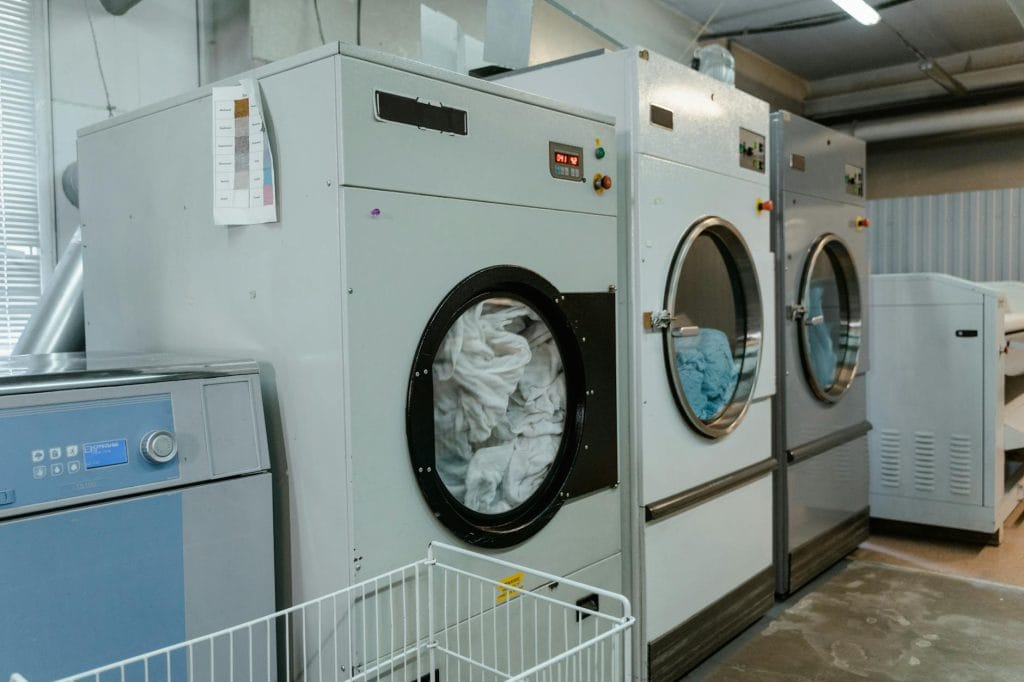
Your dryer is one of the hardest-working appliances in the home — and one of the most neglected when it comes to routine maintenance. The good news: a few simple habits can double the lifespan of your dryer, reduce energy costs, and prevent the most common failure types that lead to dryer repair calls in Ottawa. Here’s what you should be doing and how often.
Clean the Lint Trap After Every Single Load
This is non-negotiable. A full lint trap forces your dryer to work harder, dramatically increasing drying times and energy consumption. More importantly, lint is highly flammable — the U.S. Fire Administration estimates dryer fires cause thousands of residential fires each year, with lint buildup as the leading cause.
What to do: Pull out the lint screen, peel off the lint, and reinsert before every load. If you use dryer sheets, the screen can develop a waxy film over time that restricts airflow even when visually clean. Wash it with warm soapy water and a soft brush once a month.
Clean the Dryer Vent Duct Annually
The lint trap only catches about 75% of lint — the rest travels into the exhaust duct and accumulates over time. A clogged dryer duct is both a fire hazard and the number one cause of dryers “not heating” or “taking too long” calls we receive.
What to do: Once a year, disconnect the exhaust duct from the back of the dryer and clean it with a long flexible dryer vent brush (available at hardware stores for under $20). Also check the exterior vent cap to ensure the flap opens freely and isn’t blocked by debris or bird nesting.
Check Behind and Around the Dryer
Lint and small items like socks regularly fall behind dryers and can collect near the motor and heating element. Once a year, pull the dryer away from the wall and vacuum underneath and behind it thoroughly.
Don’t Overload the Dryer
Overloading puts excessive strain on the drum bearings, belt, and motor. A load should fill the drum about halfway — clothes need room to tumble freely to dry properly and to avoid stressing mechanical components. Consistently overloading a dryer will shorten its lifespan significantly.
Use the Right Heat Setting
High heat every time isn’t always better — it can damage fabrics and causes faster wear on heating elements and thermostats. Use medium heat for most loads, high only for heavy items like towels and jeans. This alone extends the life of your heating element considerably.
Listen for Early Warning Signs
Catching problems early is far cheaper than waiting for a breakdown:
- Squealing or grinding — drum bearing or idler pulley wearing out
- Thumping — drum roller or worn drum seal
- Taking longer to dry — clogged vent duct (most likely) or failing heating element
- Burning smell — lint buildup near the heating element; stop using immediately and clean the duct
Gas Dryer: Check the Venting and Gas Connection
If you have a gas dryer, have a technician inspect the gas connection and igniter every few years. A worn igniter is the most common cause of gas dryers failing to heat. Never attempt to inspect or repair gas connections yourself.
When to Call a Dryer Repair Technician
If you’ve cleaned the lint trap and duct and your dryer still takes two cycles to dry a load, or if you’re hearing new noises, it’s time for a professional look. Common dryer repairs include drum belt replacement, heating element replacement, and thermal fuse replacement — all relatively affordable fixes that restore performance.
Ottawa Appliance Pro’s dryer repair service covers all brands across Ottawa, including Stittsville and Kanata. Same-day appointments available.
FAQ
How often should I clean the dryer vent duct?
At minimum, annually. If you do laundry for a large household (6+ people) or have pets that shed, clean it every 6 months.
Can I clean the dryer vent myself?
Yes — a dryer vent brush kit makes it a DIY-friendly task. However, if the duct is long, has multiple bends, or you suspect significant buildup, a professional duct cleaning service is worthwhile.
How long should a dryer last?
With proper maintenance, 13–15 years. Without it, closer to 8–10 years. See our appliance lifespan guide for all appliance types.