
GE Oven Not Heating? Here’s How to Diagnose the Problem
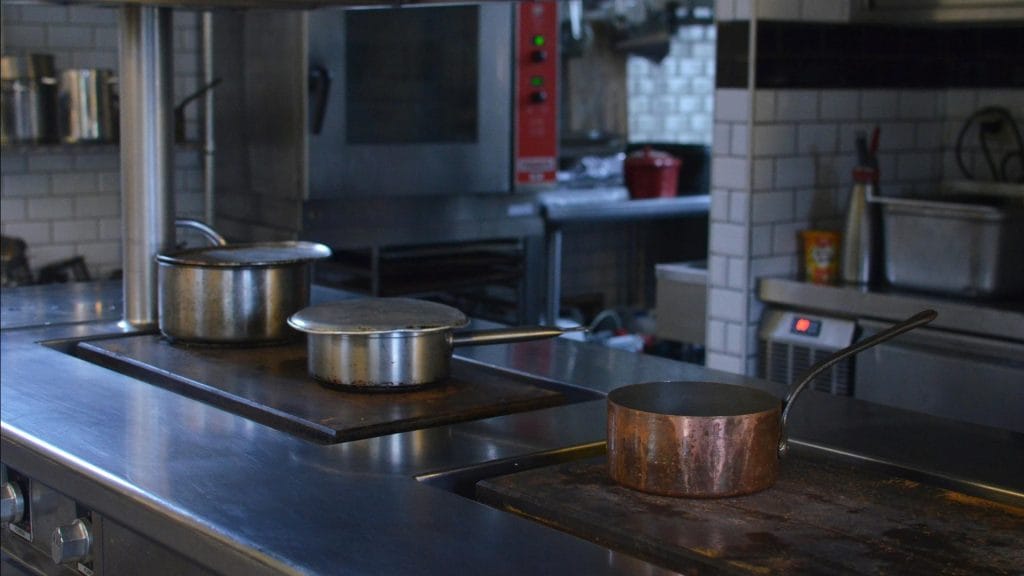
A GE oven that won’t heat is one of the more frustrating appliance failures you can run into, especially mid-week when dinner plans are already in motion. If you’re searching for oven repair Ottawa and want to understand what’s actually wrong before a technician arrives — or before you decide whether the repair is worth pursuing — this guide walks through the most common causes, how they’re diagnosed, and what the repair typically involves. GE has a long history in the Canadian market, and their ranges and wall ovens show up in kitchens across Ottawa from Kanata to Gloucester, which means these failure patterns are well-documented and generally very repairable.
How a GE Oven Heating System Actually Works
Before jumping to causes, it helps to understand the basic circuit. In an electric GE oven, heat is generated by one or two resistive heating elements — a bake element at the bottom and a broil element at the top. In models with convection (common in the GE Profile and GE Café lines), there’s a third element wrapped around the rear fan. Each element is controlled through a relay on the control board, which receives commands from the oven’s electronic control module. The thermostat or temperature sensor provides feedback to close the loop.
In a gas GE oven, the process is different: an igniter heats up until it draws enough current to open a safety gas valve, at which point gas flows and ignites. If the igniter is weak — even if it glows — it may never reach the amperage threshold required to open the valve. This is one of the most commonly misdiagnosed gas oven failures.
Common Reasons Your GE Oven Stops Heating
Failed Bake or Broil Element (Electric Models)
On electric GE ranges and wall ovens, a burned-out bake element is the single most common cause of no-heat complaints. You can often spot it visually — look for a break, blister, or burn mark on the element surface. However, elements can also fail internally without visible damage, which is why resistance testing with a multimeter is the proper diagnostic step. A healthy bake element on most GE 30″ ranges reads between 19 and 25 ohms. An open circuit (no continuity) confirms the element has failed. Replacement is straightforward on most models, including popular lines like the GE JB series freestanding ranges.
Weak Igniter (Gas Models)
If you have a GE gas range — the JGB series is extremely common in Ottawa homes — and the oven isn’t heating, the igniter is the first thing to test. A glowing igniter that never lights the burner is a classic sign of a weak igniter that can no longer pull sufficient amperage to open the gas valve. The spec to check is current draw: most GE gas oven igniters need to draw 3.2 to 3.6 amps to open the valve. Anything below that and the valve stays closed. Visually, the igniter may still glow orange, which misleads homeowners into thinking it’s fine.
Faulty Oven Temperature Sensor
GE ovens use a resistance-based temperature sensor (sometimes called an RTD probe) that changes resistance as temperature increases. At room temperature, it should read approximately 1,080 to 1,090 ohms on most GE models. If the sensor reads out of spec or has failed open, the control board receives bad data and may prevent heating entirely, or allow the oven to heat erratically. GE Profile and GE Café wall ovens in particular tend to show an F3 or F4 error code when a sensor issue is present — these codes specifically indicate an open or shorted sensor circuit.
Control Board or Relay Failure
Less common but not rare, a failed relay on the main control board can cut power to the heating circuit even when everything else tests correctly. This is more frequently seen in older GE Monogram and GE Profile built-in ovens, where the boards have been in service for 10 or more years. Control board diagnostics require confirming that voltage is being sent to the element or igniter circuit before condemning the board — skipping that step leads to unnecessary part replacements.
Error Codes Worth Knowing on GE Ovens
GE’s electronic controls display fault codes that can significantly narrow down the diagnosis. Here are several you’re likely to encounter:
- F2: Oven temperature exceeded the limit — often a runaway heat issue related to a stuck relay or failed sensor
- F3: Open temperature sensor circuit — sensor or its wiring has failed
- F4: Shorted temperature sensor — sensor is reading abnormally low resistance
- F7: Stuck key or control panel issue — can prevent normal oven operation
- F9: Door latch failure — often appears during or after a self-clean cycle and can lock the oven out of bake mode
The F9 code is worth special mention. After a self-clean cycle, the door latch motor can fail in the locked position, leaving the oven door stuck and the unit unable to return to normal operation. This is a documented failure pattern on several GE and GE Profile models and is one of the more common service calls for stove and oven repair across the city.
Oven Repair Ottawa: What Diagnostics Should Look Like
A proper diagnostic on a GE oven that won’t heat should never start with replacing parts speculatively. The right process involves verifying incoming voltage at the terminal block (for electric models), testing each component in the heating circuit — element, sensor, igniter — for correct resistance and continuity, and then checking whether the control board is sending the appropriate output signals. Residents in areas like Nepean, where GE appliances are common in both older split-levels and newer builds, will find that most of these repairs are completeable in a single visit once the fault is properly isolated. If you’re located in that part of the city, appliance repair in Nepean is available with the same diagnostic process.
Understanding the failure before any work begins isn’t just good practice — it’s the only way to give an accurate repair estimate and avoid unnecessary part costs.
Frequently Asked Questions
Why does my GE oven take forever to preheat but eventually reach temperature?
This usually points to a partially failed bake element or a weak igniter (on gas models) rather than a complete failure. The element may still generate some heat but not at full capacity, causing the oven to take two or three times longer than normal to reach the set temperature. A degraded temperature sensor can also cause slow preheating if it’s feeding inaccurate data to the control board.
Can I use the broiler if the bake element has failed?
On most electric GE ranges, yes — the broil element operates on a separate circuit from the bake element, so a failed bake element doesn’t necessarily affect broil function. However, convection bake uses both the rear convection element and the bake element on GE Profile and Café models, so convection modes will also be unavailable until the bake element is replaced.
Is it worth repairing a GE oven that’s 10 or 12 years old?
In most cases, yes — particularly for GE Profile and GE Café wall ovens, which have a useful service life well beyond 15 years with proper maintenance. The repair-versus-replace decision depends heavily on what has failed. A bake element or igniter replacement on a 12-year-old GE range is almost always cost-effective. A failed control board on an older entry-level freestanding range warrants a closer look at the numbers, since board costs can approach the value of the appliance. A technician should be able to give you a straight answer on that comparison before any work is authorized.